
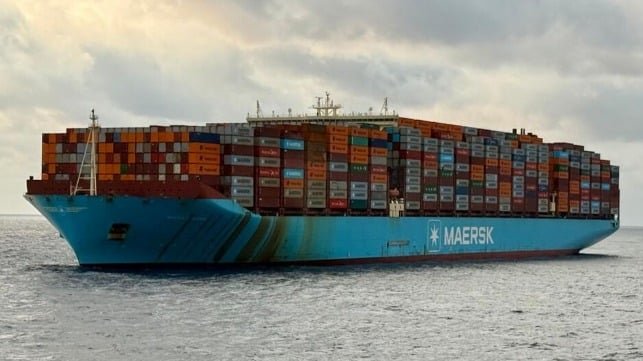
In a glaring illustration of the boom-and-bust cycle gripping global trade, A.P. Moller-Maersk, the world’s second-largest container shipping line, has reported a devastating drop in profits despite physically moving more cargo. The company’s core shipping business saw earnings fall by as much as 80-90% in 2023, signalling a definitive end to the unprecedented boom the pandemic years.
The core figures present a puzzling contradiction. In the final quarter of 2023, The ocean freight volumes of Maersk actually grew by a robust 9% compared to the year before. Yet, the revenue from moving those containers plummeted, dragging the company’s full-year underlying profit (EBITDA) down from a record $36.8 billion in 2022 to just $9.6 billion, which is a decrease of nearly 75%.
So, how can a company move more goods but see its business collapse? The answer is not in the number of containers, but in the freight attached to each one.
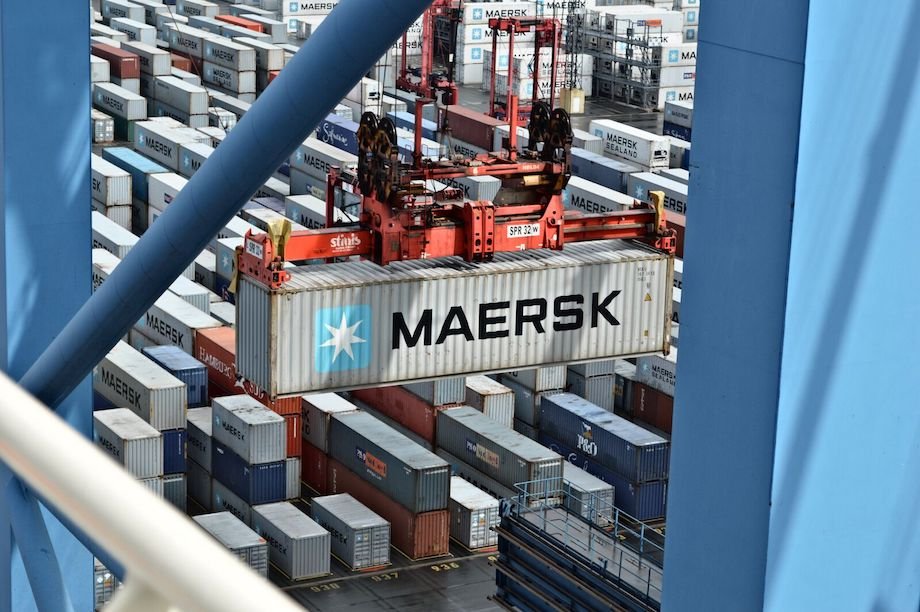
The Great Freight Rate Crash
The simple, powerful force behind Maersk’s downturn is the normalization of global freight rates. During the height of the COVID-19 pandemic, a perfect storm of consumer demand for goods, port congestion, and supply chain chaos created a historic shortage of shipping capacity. Freight rates soared to astronomical levels, turning container ships into floating goldmines and generating record-breaking profits for carriers.
In the fourth quarter of 2023 alone, the average freight rate Maersk secured was 44% lower than the same period in 2022. This steep drop turned the 9% volume increase from a potential strength into a statistical curiosity, utterly incapable of stemming the tidal wave of red ink. Maersk’s Ocean division profit collapsed by 90% in that single quarter.
Going Back to the Usual Flow of Business
The current downturn marks a return to the tough, low-margin fundamentals that have long characterized the volatile shipping industry. The super-profits of 2021 and 2022 are now widely seen as an anomaly.
“The industry is grappling with a new reality of overcapacity and weakened demand,” the Maersk statement acknowledged. The company is responding by cutting costs, streamlining operations, and focusing on its integrated logistics strategy to find growth beyond simple container transport.
Compounding the challenge is a wave of new, more efficient vessels ordered during the profitable years now hitting the water, further flooding the market with space and putting sustained downward pressure on prices.
Broader Implications and a Cautious Outlook
The story of Maersk is a microcosm of the entire container shipping industry, with all major carriers facing similar financial headwinds. The situation serves as a double-edged sword for the global economy. For retailers and consumers, lower shipping costs can mean cheaper goods and cooling inflation. But for the shipping sector, it signals a period of financial strain and consolidation.
Recent geopolitical tensions, particularly the disruptions in the Red Sea, have caused spot rates to spike temporarily as ships take longer routes around Africa. However, as Maersk’s full-year results demonstrate, these short-term disruptions have not been enough to counteract the powerful downward trend of the broader market.
It is now clear that the tide has gone out for the shipping industry. The 80% profit plunge for Maersk is the most compelling sign thus far that the era of easy money is definitely over. Therefore, the battle for survival in a crowded, price-sensitive market has well and truly begun.
Ayoola Ponle, FICS
Leave a Reply