
Latest posts
-
Adoption of Methanol as Alternative Fuel in Powering Vessels: Where is the Industry Now?
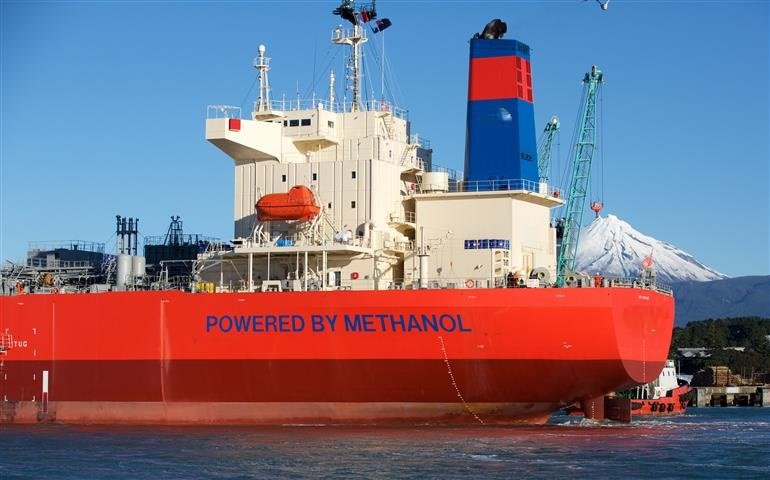
The race to decarbonise the world’s shipping lanes is entering a new, decisive phase. While the journey towards a zero-emission future is long, a clear and practical pathway is being charted. Methanol is gradually emerging as an alternative fuel of choice. The recent completion of a major engine retrofit for a COSCO containership highlights a…
-
Flag-Hopping at Record Highs: Is Maritime Safety at Risk?
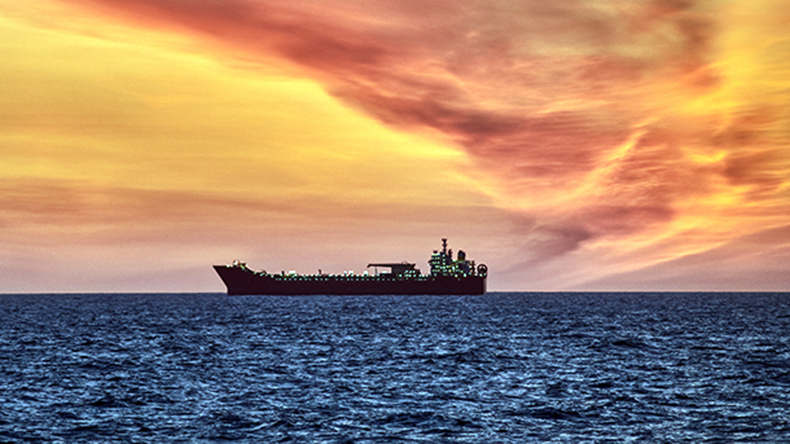
Flag-hopping is the practice whereby a ship owner or an operator frequently and strategically changes their vessel’s flag state (or registry) to circumvent legal, regulatory, or economic obligations. According to the latest data from maritime analytics company Windward, flag-hopping is now a standard operating procedure for a parallel shipping network designed to circumvent international sanctions.…
-
International Bodies Address Rising Criminalization of Seafarers and Safety Concerns

London, July 2025 — The International Maritime Organization (IMO) and the International Labour Organization (ILO), alongside industry stakeholders, recently convened in London to address pressing challenges facing seafarers, including growing incidents of criminalization and ongoing safety risks. Criminalization of Seafarers: A Call for Fair Treatment A key focus was the conference “Protecting Seafarers Against Criminalization: What…
-
Life at Sea: The World’s Most Dangerous Profession, Study Reveals

Working at sea is the riskiest way to earn a living, with ocean workers facing higher injury rates than any land-based industry, according to a new global study by Lloyd’s Register Foundation and Gallup. Key Findings: A Perilous Workplace Why Is Maritime Work So Dangerous? The study defines “ocean workers” broadly to include fishermen, offshore oil workers, merchant…
-
$8.5 Million in Unpaid Seafarer Wages Recovered in 2024
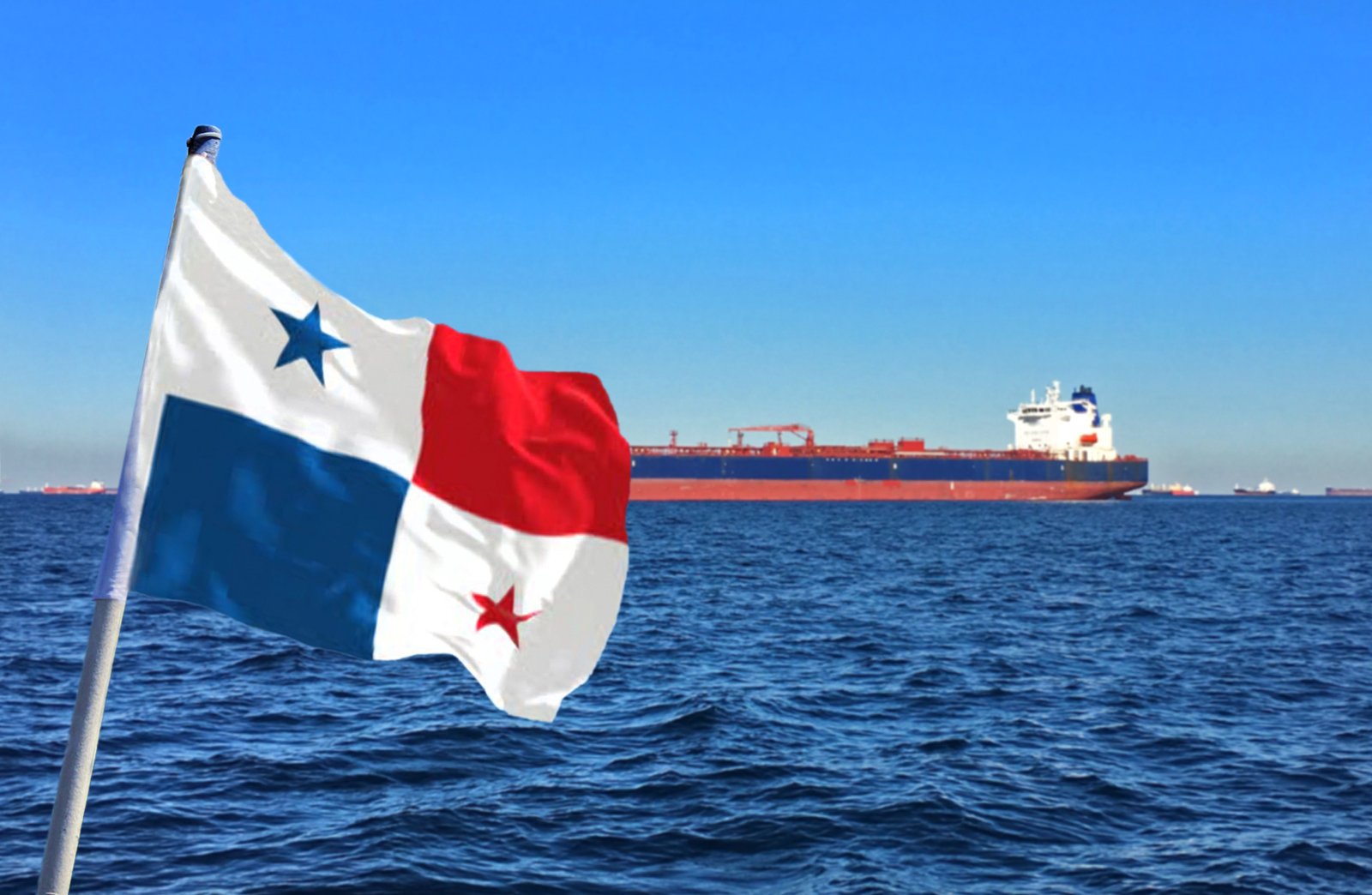
The Panama Maritime Authority (PMA) recovered $8.5 million in unpaid wages for seafarers in 2024, which is a 52.7% increase from the $5.59 million reclaimed the previous year. This highlights the persistent issue of wage theft in the shipping industry. The figures were disclosed during a meeting between the PMA’s General Directorate of Seafarers (DGGM)…