
Latest posts
-
Carbon Allowances in Shipping: A Guide to Emissions Regulations
The maritime industry is undergoing a major shift toward decarbonization, with carbon allowances emerging as a key tool to reduce greenhouse gas (GHG) emissions. This system, now enforced by the European Union (EU) and under consideration by global regulators, requires shipping companies to account for their carbon output financially. What Are Carbon Allowances? Carbon allowances
-
New Shipping Regulations & Emissions by IMO
The global shipping industry is undergoing a transformative period as stringent new environmental regulations come into force, compelling operators to rapidly adapt their fleets and operations to meet ambitious decarbonization targets. The International Maritime Organization’s (IMO) revised GHG strategy, adopted in July 2023, has set unprecedented emissions reduction goals – including a 20% reduction in
-
Spike in Air Freight Demand Due to Red Sea Crisis
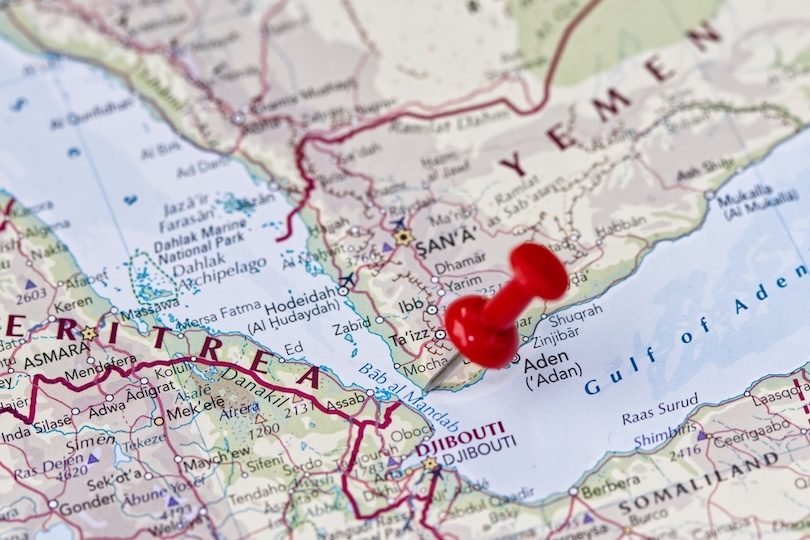
The ongoing Red Sea shipping crisis has triggered an unprecedented surge in air freight demand as global businesses scramble to maintain supply chain continuity amid prolonged maritime disruptions. With hundreds of container ships being diverted around Africa’s Cape of Good Hope – adding weeks to delivery times – manufacturers and retailers are increasingly turning to
-
The Red Sea Crisis and Its Ongoing Impact on Global Shipping
The Red Sea crisis, fueled by persistent Houthi rebel attacks, continues to disrupt global shipping, forcing vessels to avoid one of the world’s most critical trade routes. Since November 2023, Yemen’s Iran-backed Houthi militants have targeted commercial ships with missiles, drones, and hijackings, ostensibly in solidarity with Palestinians amid the Israel-Hamas conflict. Despite U.S.-led naval
-
Report Calls for Action on Seafarer Shortage
The Nautilus Federation, a coalition of 21 global trade unions representing shipping and inland waterways transport, has released a groundbreaking report aimed at driving real action on the recruitment and retention of seafarers. With the industry facing an escalating shortage of maritime professionals, the report—Recruitment and Retention of Seafarers: A Synthesis of Study Evidence—compiles extensive
-
-
Pirates Board Bitumen Tanker off African Coast
In a concerning incident, the Panama-flagged bitumen tanker BITU River was briefly commandeered by pirates approximately 40 nautical miles southeast of São Tomé and Príncipe. The vessel, operated by Rubis Asphalt, was en route from Lomé, Togo, to Douala, Cameroon, when three unauthorized individuals boarded it. Reports indicate that shots were fired during the attack, but thankfully,
-
Outlook of Global Maritime Industry in the Face of Tariffs Tensions
The global maritime industry is currently navigating through a complex landscape shaped by escalating trade tensions and protectionist measures. The United States has recently proposed significant tariffs and fees targeting Chinese-built and Chinese-flagged vessels. The new proposal by the U.S. Trade Representative (USTR) includes a $1 million per U.S. port call fee on Chinese vessel
-
Captain Arrested Following North Sea Ship Collision
The captain of a cargo ship has been arrested after his vessel collided with an oil tanker in the North Sea. The incident involved the Portuguese-flagged Solong and the US-registered Stena Immaculate, which crashed off the East Yorkshire coast at approximately 10:00 GMT on Monday 10th March 2025. The Police confirmed the arrest of the 59-year-old captain on
-
Key Maritime Trends in 2025
The maritime industry, responsible for over 85% of global trade, continues to undergo significant evolution and transformation. Key trends that would shape 2025 include: 1. CybersecurityAs ships become increasingly connected, cybersecurity would continue to be a strategic priority for maritime companies. Investments in secure software and crew IT training, along with adherence to IMO cybersecurity