
Shipping News
How the US Strike on Iran Can Affect the Global Maritime Industry
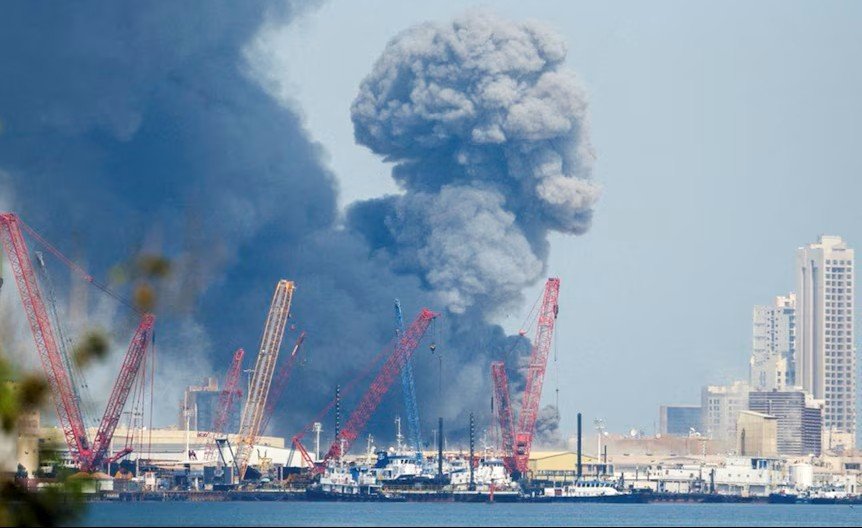
The United States, in coordination with Israel, has just launched a massive combat operation against Iran. What began as a boiling conflict of sanctions and shadow warfare has now turned into open military engagement, sending immediate shockwaves through the global economy. While the humanitarian and political consequences cannot be quantified now, one sector that will feel the tremors before most, is the maritime industry.
For an industry that relies on stability and predictability, the outbreak of war in the Persian Gulf introduces a volatile new variable. The effects are already rippling through shipping lanes, insurance markets, and global energy supplies, threatening to constrict one of the world’s most vital economic arteries: the Strait of Hormuz.
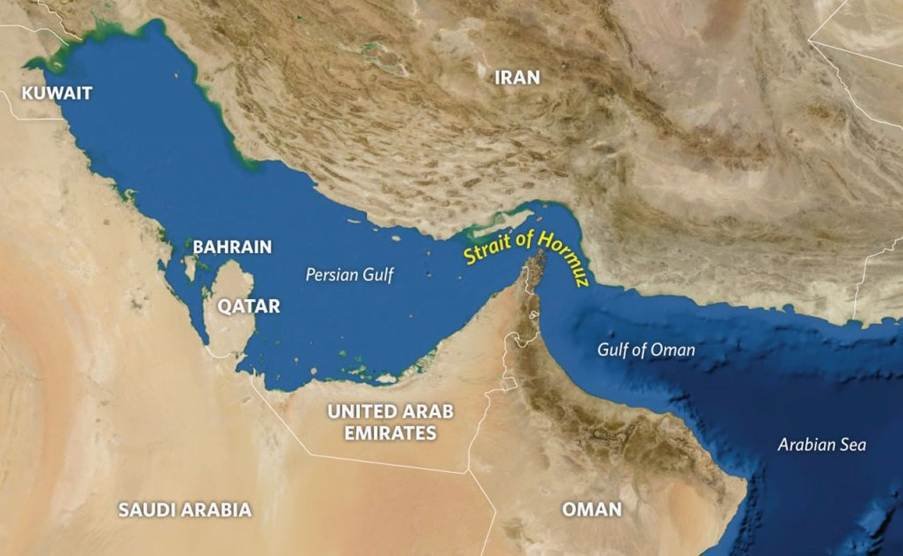
To understand the potential impact of this conflict, one must look at the map. Nestled between Iran and Oman, the Strait of Hormuz is the narrow passage linking the Persian Gulf to the open ocean. It is not just a waterway; it is the world’s most important energy chokepoint .
According to the U.S. Energy Information Administration, about 20 million barrels of crude oil, which is nearly 20 percent of global liquid oil consumption, pass through this strait daily. This is the lifeblood for major OPEC producers like Saudi Arabia, Iraq, Kuwait, and the UAE, all of which rely on this route for their exports. Furthermore, Qatar, the world’s largest liquefied natural gas (LNG) exporter, ships almost all its LNG through this passage, accounting for nearly one-fifth of global LNG supplies .
The strait’s geography makes it very vulnerable. At its narrowest point, it is just 21 miles wide, with shipping lanes in each direction only two miles wide . The shallowness of the water and its proximity to Iranian land make vessels easy targets for a variety of attacks.
Shipping at a Possible Standstill
The reaction of the maritime industry to the strikes has been immediate and decisive: caution and retreat. Reports emerged on Friday that multiple oil majors and trading houses have started suspending shipments through the Strait of Hormuz, refusing to risk their vessels and crews in a war zone.
Ships currently in the region are seeking refuge in the territorial waters of neutral nations like the UAE and Qatar, while those enroute are delaying their entry. The U.S. has already established a maritime warning zone covering the Persian Gulf, Gulf of Oman, and the Strait of Hormuz, advising commercial vessels to avoid the area if possible and warning that the Navy cannot guarantee their safety .
The Rising Cost of Insurance and Freight Rates
For the ships that are willing to brave the waters, the cost of doing so is increasing rapidly. The insurance market is bracing for a significant shift. War risk premiums, the additional cost to insure vessels against hostilities, are expected to increase substantially, reflecting the sudden and severe deterioration in regional stability. In some cases, it might be impossible to secure coverage.
This insurance shock is already feeding into freight rates. The cost of transporting crude oil from the Middle East to Asia is surging. For instance, the daily rate to ship 2 million barrels of crude from the Middle East to China recently surpassed $200,000 for the first time since 2020, driven by the escalating tensions and the fear of supply route blockages .
Oil Prices and Global Supply
The consequence of a maritime disruption is a global energy crisis. If the Strait of Hormuz were to be fully or partially closed for a sustained period, the impact on oil prices would be devastating. A blockade could send prices of crude rising to between $120 and $150 per barrel, more than double recent trading levels. This would deal a heavy blow to the global economy.
The U.S. attack on Iran has transformed the Persian Gulf from a tense geopolitical zone into an active combat theatre, with immediate and severe repercussions for the maritime industry. The short-term outlook is defined by paralysis, spiking insurance costs, and a frantic search for safe passage.
Whether this becomes a protracted crisis depends on the next moves. If Iran makes good on its historical threats to disrupt shipping, or if its proxies widen the conflict to the Red Sea, the world will surely face a supply chain crisis.
Offshore Fleet
Snapshots of vessels powering offshore projects across West Africa.


Leave a Reply